

COSMETIC DENTISTRY
Your Dentist in Peninsula
Open on Saturdays
Our friendly and personable dentist and staff provide the highest quality dentistry to people of all ages in a friendly atmosphere. We are dedicated to taking care of our patients with the goal of building long-lasting relationships that allow us to see families grow. We perform virtually all types of treatments in general dentistry all under one roof. This provides an experience for the patient that is more comprehensive and well-coordinated.
Learn MoreCompassionate Dentist in Redwood City
At Future Dental Care, our compassionate dentist in Redwood City combines
quality dental care with advanced technology to offer great dental
experiences to patients. We believe that high-quality care means treating
patients like we would treat ourselves or our loved ones. We invest in the
latest technology so that we can deliver the best care possible. Our
experienced dental team and the dentist in Redwood City, CA, always stay
ahead of the newest treatments and technologies through continuing
education and advanced training. Our Redwood City Dentist is passionate
about helping our patients achieve healthy, beautiful smiles. They’ll work
with you to develop a treatment plan that fits your individual needs. We
offer a variety of services to help you feel comfortable and confident
with your dental health.
Our friendly team will make sure you
are comfortable and relaxed during your procedure. If you need anything
during the appointment, just let the dentist Near me know! We
will do everything we can to make sure you have an enjoyable experience.
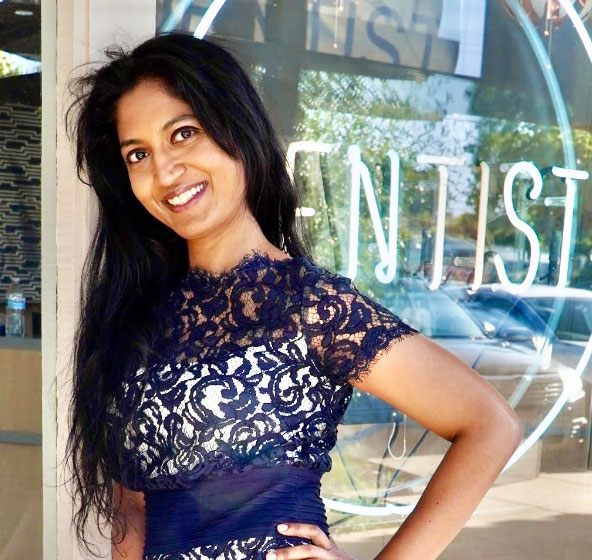
Dr. Mudita Agrawal
Meticulous..
Passionate..
Caring ...
And In Constant Pursuit of
Perfection
What our patients are saying...
""

"Today was my first visit and Dr. Agrawal was very patient understanding accommodating friendly and so helpful. I am a big baby when it comes to denti..."
"Great experience, best dentist I’ve found in the bay area"
"Amazing dentist and care!! I absolutely recommend this place! Thank you Dr. Agrawal for such a great experience! I look forward to a future of great c..."
""
Experience The Paradigm Shift In Dentistry
View more StoriesOur Top Services
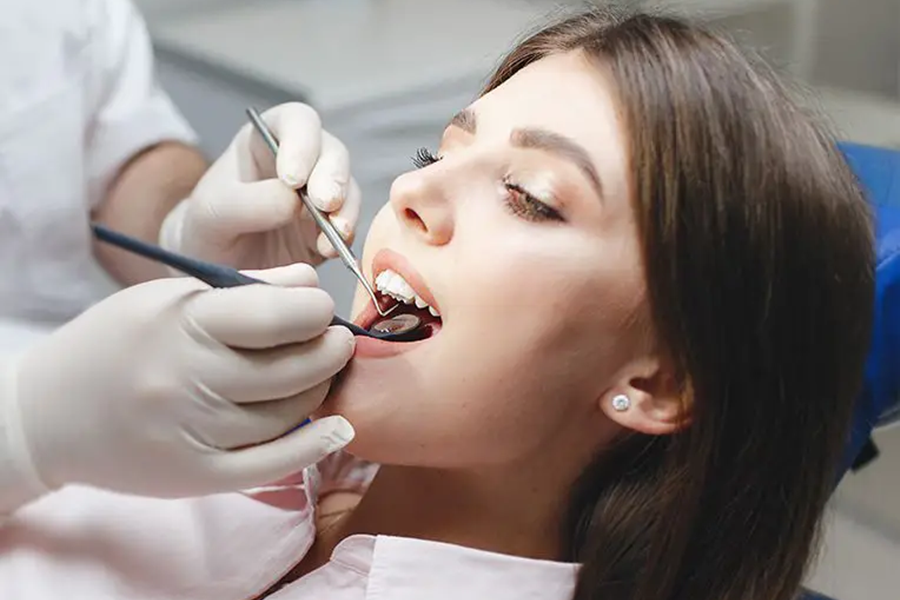


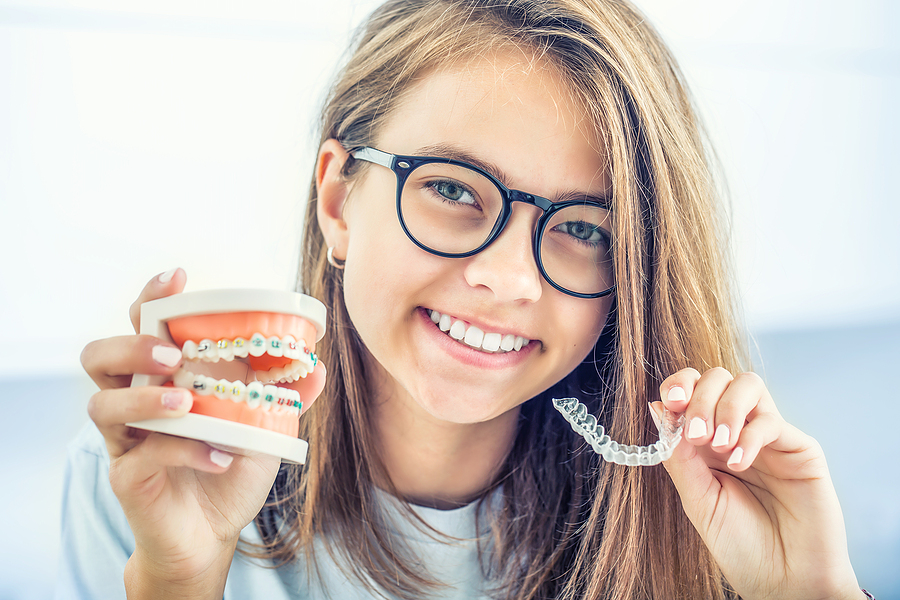
We want to make your visit enjoyable and that is why we have taken upon offering you the luxuries of watching tv and playing your favorite music during your dental visit.
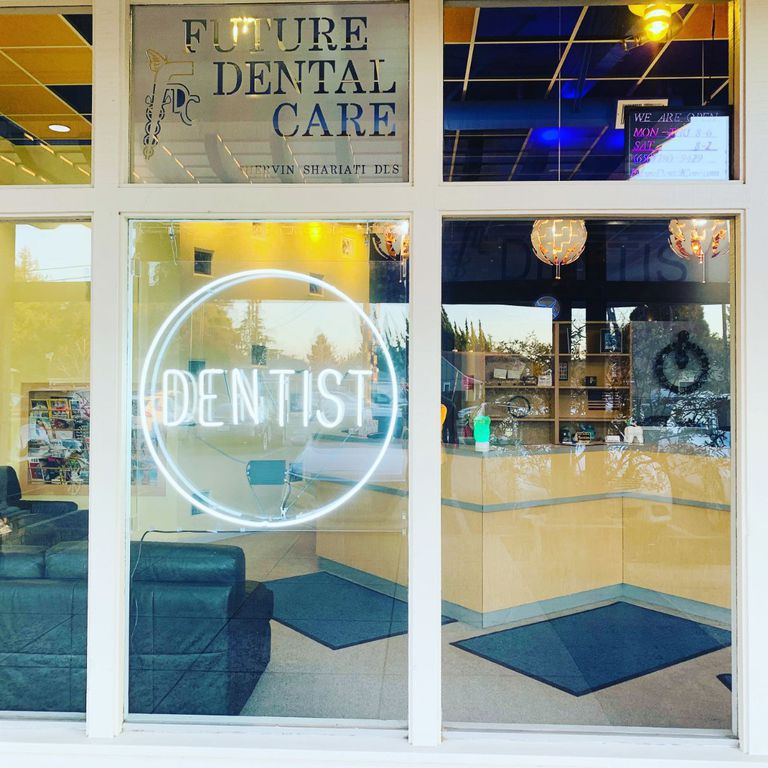
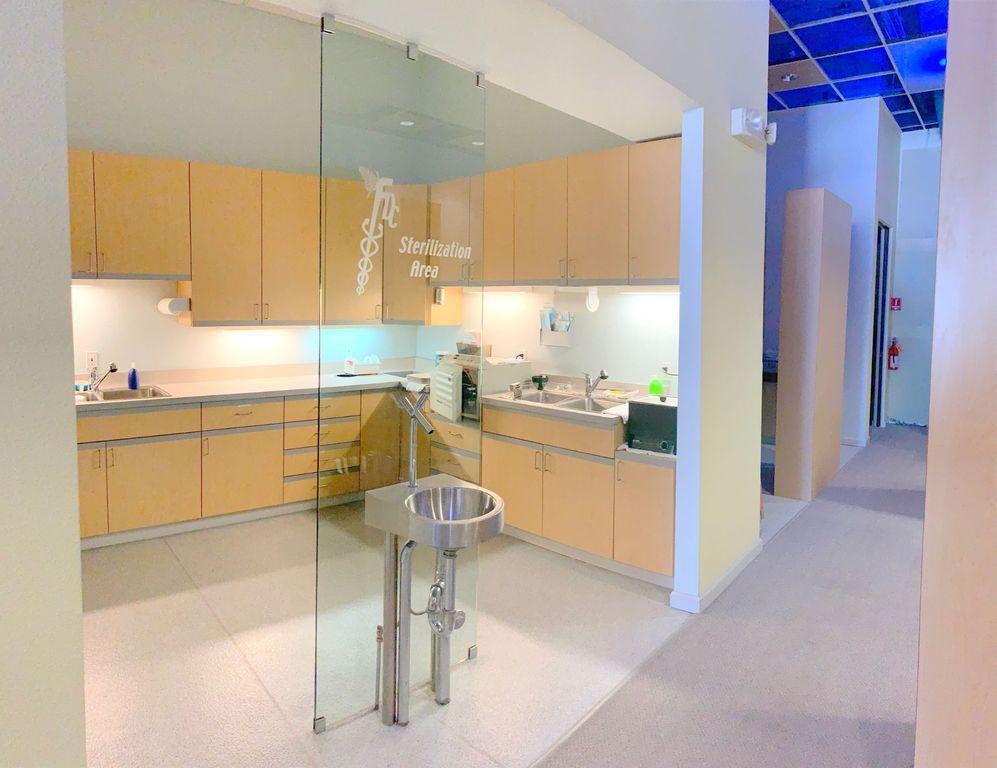


Some Of Our Favorite Smile Stories!
Schedule ConsultationFuture Dental Care
3752 Florence St, Redwood City, CA 94063
MON - THU: 8:30 am - 5:30 pm
FRI: By appointments only
SAT: 9:00 am - 4:00 pm
SUN: Closed

FUTURE DENTAL CARE
New Patient Special!
Dental exam, Teeth cleaning, and dental X-rays at $150
Keep Your Teeth Healthy And Beautiful
and Get The Smile of Your Dreams!